AI-Generated Visuals: How Text to Image AI Transforms Marketing
Discover how marketers use text to image AI to boost engagement, create stunning visuals, and stand out. Learn strategies, tools, and real examples.

Introduction
Marketers are always chasing the next breakthrough in content creation—and lately, text to image AI has become a powerful secret weapon. These tools, which turn written prompts into hyper-realistic or artistic visuals, are helping brands and content creators stand out in increasingly saturated feeds.
From eye-catching Instagram posts to customized email headers, the application of AI-generated visuals has grown exponentially. But how exactly are professionals leveraging these tools? What kind of results can you expect? And are there risks or best practices you should know about?
In this post, we’ll dive deep into the world of text to image AI and explore how marketers are using it to elevate engagement and brand storytelling—backed by examples, tools, and actionable tips.
What Is Text to Image AI and How Does It Work?
The Core Technology
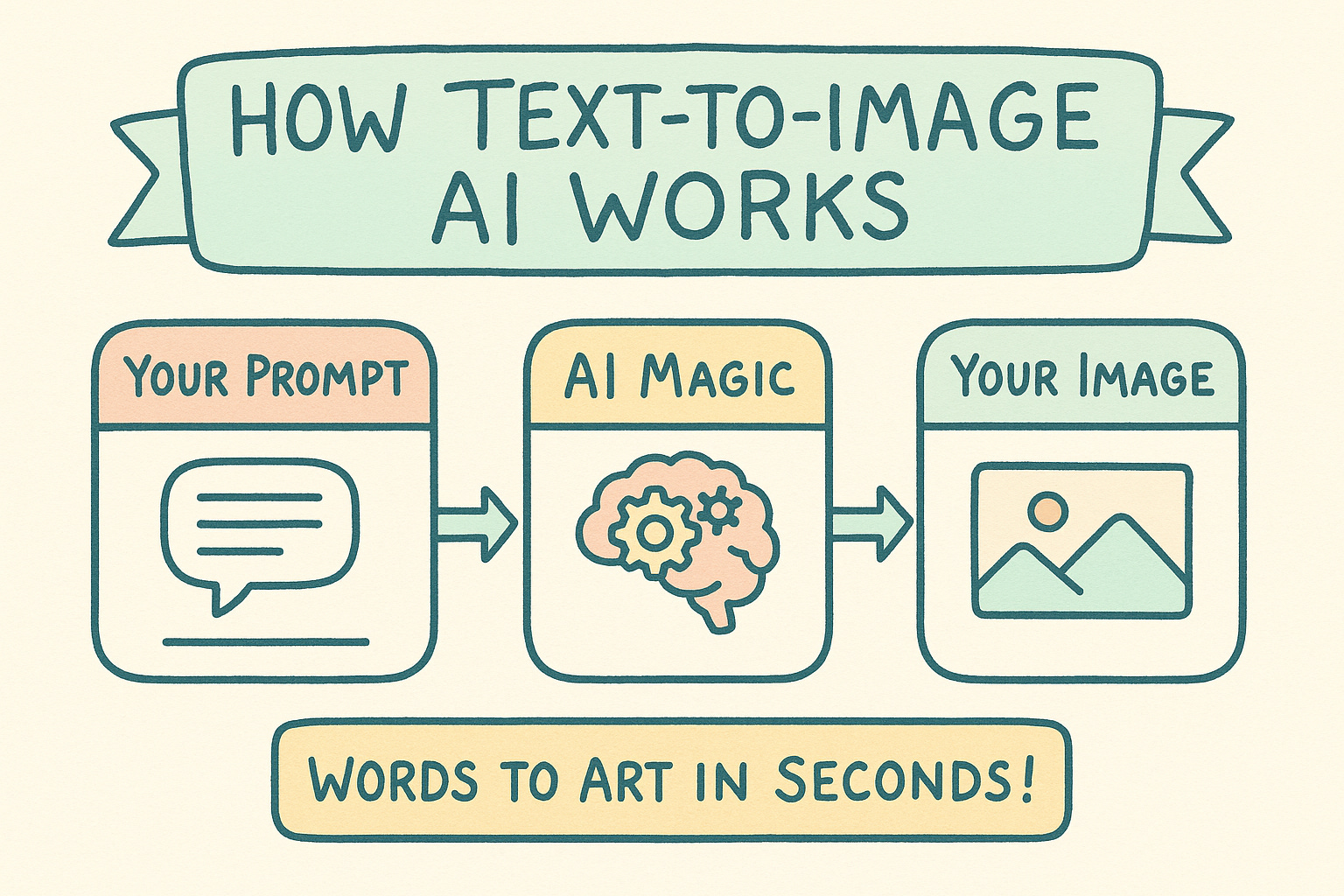
Text to image AI uses machine learning models—like DALL·E, Stable Diffusion, or MidJourney—that are trained on massive datasets of images and captions. These models learn to generate new images based on descriptive text prompts.
Example Prompt:
"A futuristic city skyline at sunset in the style of Studio Ghibli"
Result:
An original, stylized image that matches the description closely, ideal for grabbing social media attention.
How It Creates Artwork
Natural Language Processing (NLP): Understands the text input.
Image Synthesis Engine: Uses trained neural networks to visualize the description.
Post-Processing: Applies artistic filters or enhancements based on model parameters.
These images are often used in:
Blog visuals
Email campaigns
Ads
Social content
Storyboards and ideation decks
Why Marketers Are Embracing Text to Image AI
1. Instant Visual Content at Scale
Creating custom images used to take days or require stock photography. Now, AI tools can generate unlimited visuals in seconds.
Use Case:
A SaaS company launching a blog post can generate a custom image header in less than 60 seconds—matching the exact theme of the content.
2. Boosting Engagement on Visual Platforms
Platforms like Instagram, Pinterest, and LinkedIn reward unique visuals. AI-generated images are novel and more likely to stop the scroll.
Stat:
According to internal A/B testing by marketers, AI-generated visuals can increase engagement rates by 18-35% compared to generic stock photos.
3. Enhanced Personalization
Personalize visuals for niche audiences with specific, tailored prompts.
Example:
"A cartoon golden retriever using a laptop in a cozy Scandinavian home office"—great for a pet-tech startup’s newsletter.
Real-World Examples: AI in Action
Example 1: Ecommerce Launch Campaign
A fashion brand used text to image AI to create surreal, artful product backdrops that matched seasonal themes. Engagement tripled vs. their usual launch.
Example 2: Influencer Content Production
A solo creator automated daily inspirational quote graphics using AI-generated backgrounds, cutting content creation time by 80%.
Example 3: Local Agency Social Media Management
A boutique agency created hyper-localized event promos using region-specific prompts and styles. Client satisfaction increased dramatically.
Addressing the Big Questions
How Do They Make AI-Generated Images?
AI models like DALL·E and Stable Diffusion are trained on billions of image-caption pairs. Given a prompt, the model translates text into pixel data, layering and refining image components until the final product matches the request.
What Are Some Examples of AI Generated Image Prompts?
"An ancient temple floating in space"
"Modern kitchen interior with neon lights"
"A watercolor painting of a fox in a forest at dawn"
These prompts can be literal, artistic, or surreal—limited only by your imagination.
Is AI-Generated Art Illegal?
No, but legal grey areas exist. The issue isn’t the creation itself but how the AI was trained and whether it used copyrighted data without permission. Some courts are beginning to weigh in, but rules vary by country.
Can You Get in Trouble for Using AI Images?
Yes, potentially, if you use AI-generated content that closely resembles a copyrighted or trademarked visual style without attribution or rights. Always read the licensing terms of the AI tool you use.
Ethical & Legal Considerations
Copyright Challenges
Many AI tools are trained on public web data, some of which may be copyrighted.
Courts are still deciding whether AI images are eligible for copyright protection at all.
Best Practices
Use tools with open licenses or clearly defined commercial rights.
Avoid mimicking the style of living artists unless allowed.
When possible, cite or credit the source AI tool.
Choosing the Right Tool for Marketers
Ethical vs. Unrestricted AI Tools
Tool License Model Good For DALL·E Attribution Required Ethical brand storytelling MidJourney Limited Commercial Creative visuals, social art Stable Diffusion Open Source Custom integrations, freedom aideatuner Uncensored Generation Bold marketing visuals, NSFW filters off
Best Practices for Marketers Using AI Image Tools
Always Verify Licensing
Avoid Sensitive or Copyrighted Styles
Test Prompt Variations
Use as a Starting Point, Not an End Product
Maintain Brand Consistency with Filters/Overlays
The Future of AI Image Generation in Marketing
Expect advancements in:
Real-time generation on websites
Interactive content with dynamic prompts
Increased personalization through user data integration
More regulation and clearer licensing standards
Marketers who stay agile and ethical in using these tools will outpace competitors still relying solely on traditional design workflows.
Conclusion
Text to image AI is redefining how marketers create and share content. It's fast, flexible, and—when used correctly—extremely effective. But success depends on more than just prompt crafting. Legal, ethical, and brand consistency concerns must also be front of mind.
As this technology evolves, so will best practices. Stay informed, experiment responsibly, and don’t hesitate to tap into the full creative potential these tools offer.
Call to Action
Want to explore the power of text to image AI with fewer restrictions and more creative freedom? Check out aideatuner—an uncensored AI image generator built for bold marketers and creators.
Explore how text to image AI can elevate your brand's visual storytelling.